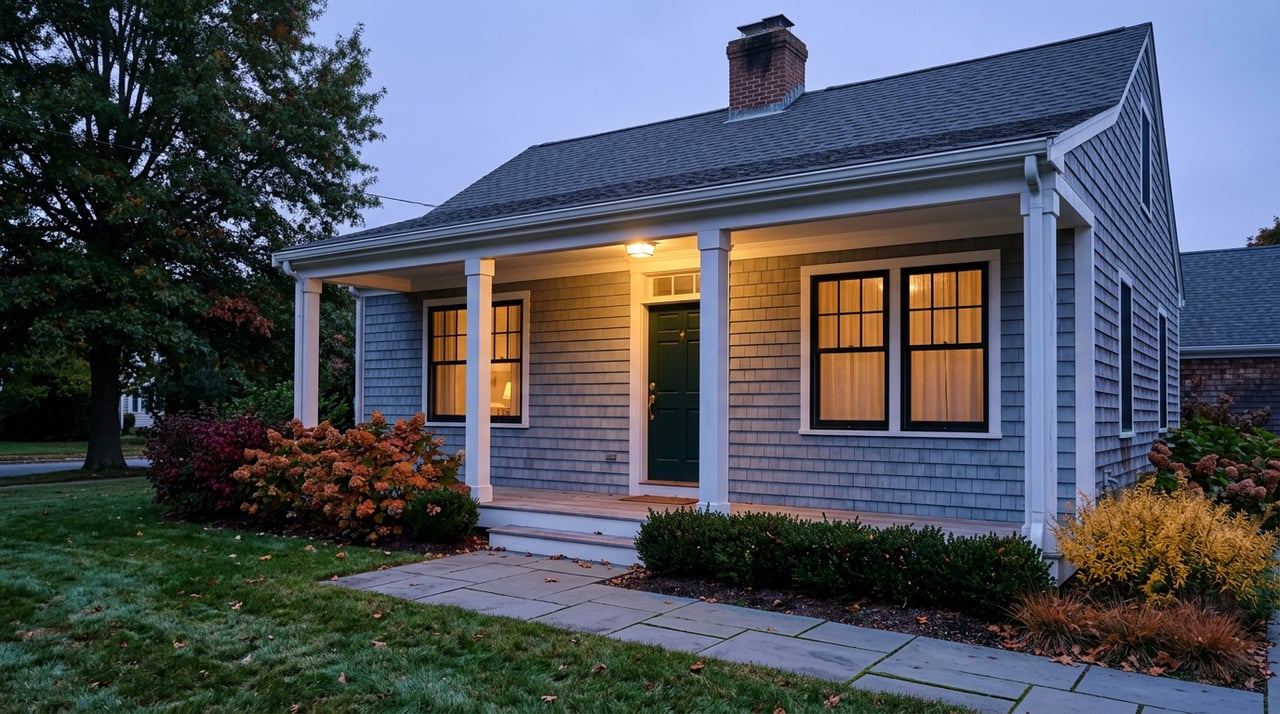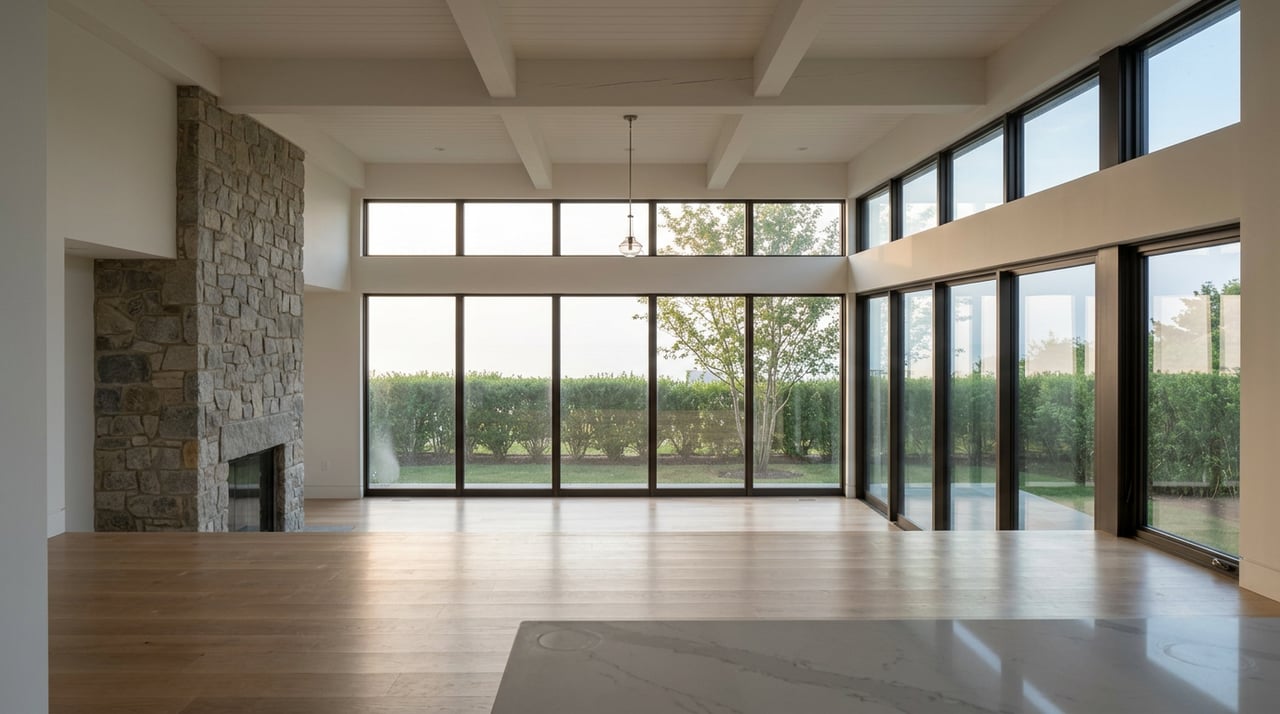
On the weekend of September 5th, a two-bedroom condo on Ventnor Avenue went into an open house at 9:30 in the morning, listed at $385,000, three blocks from the beach. The same weekend, a few streets over in Margate, a six-bedroom new construction on Fulton Avenue held its own open house at $15,950,000. Both events ran within a couple of hours of each other, in towns that sit side by side on the same barrier island, tracked by the same local news outlet, Downbeach BUZZ, in the same roundup.
If you've been watching the median price for "the South Jersey Shore" as one number, that weekend is the problem in miniature. There is no single South Jersey Shore market. There are several markets stacked on top of each other in the same zip codes, and the median blends them into a figure that can mislead anyone trying to compare Ocean City to Margate to Longport based on price alone.
The Number Everyone Quotes, and Why It Moves for the Wrong Reason
Margate is the clearest example of this. Last September, the town's median sale price came in around $1.2 million, down 18 percent from the year before, with homes taking 117 days to go under contract compared to 79 days the previous year. Read on its own, that looks like a market losing steam.
But by spring 2026, brokers tracking the Margate market were describing something closer to the opposite: steady, resilient demand specifically for teardown candidates priced under $1.5 million, with the town's concentration of nightlife and dining continuing to support strong buyer interest in that segment. Homes were closing around 95 percent of list price, which is a negotiated market, not a collapsing one.
Both things are true at once because the median isn't measuring demand. It's measuring whatever happened to sell in a given window. When a handful of $8 million and $10 million properties sell in one period and don't in the next, the median swings hard even if the volume of ordinary transactions barely changes. A falling median in a town like Margate can mean fewer trophy sales, not fewer buyers.
Same Town, Two Markets
Pulling the numbers together from across 2026 makes the pattern easier to see town by town.
| Town | What the data showed in 2026 | What it actually signals |
|---|---|---|
| Margate | Median sale price near $1.2M last September (down 18% year over year), then teardown-segment demand described as resilient by spring, with sale-to-list ratios near 95% | The median is being pulled around by a small number of very large sales, while the everyday under-$1.5M segment stayed active |
| Ocean City | Homes that sold in January 2026 averaged 99 days on market, down from 114 the year before; homes listed in August 2026 carried a median list price near $1.45M and moved in a median of 56 days | The market runs on two very different clocks depending on the season, not on one steady pace |
| Longport | Average home value near $1.55 million as of July 2026, up about 5% over the year | A fixed, tiny footprint keeps the price floor high regardless of what rates are doing elsewhere |
| Ventnor | Average sale prices jumped roughly 60% in the first quarter of 2026, ranking it among the hottest markets tracked nationally that quarter | The most accessible entry point to barrier island living, and the most volatile of the four from one quarter to the next |
Four towns, four stories, one shared beach. A buyer comparing "Margate versus Ventnor" on median price alone is comparing two different kinds of noise.
Why Longport Doesn't Play by the Same Rules
Longport is worth pulling out on its own because its price floor doesn't behave like the others. The borough is a fraction of the size of its neighbors, with almost no room left to build. That physical constraint means Longport's values don't loosen the way a larger market's would when rates rise or buyer enthusiasm cools elsewhere on the island. Inventory simply can't expand to meet demand, so the floor holds. If you're comparing Longport to Ocean City or Margate on price per square foot, you're really comparing a market that can grow a little to one that structurally cannot grow at all.
The Calendar Matters as Much as the Town
Ocean City tells a different kind of story, and it's one that matters for anyone timing a purchase rather than choosing between towns. Homes that closed in January 2026, in the dead of the off season, spent an average of 99 days on the market. That's an improvement from 114 days the year before, but still slow enough to give a buyer real room to negotiate, ask for repairs, and take a second look before committing.
By August, in the middle of peak season, homes coming onto the market were moving in a median of 56 days. Same town, same year, nearly double the pace. A buyer shopping in January has leverage a buyer shopping in July doesn't, and neither number is "the" Ocean City market. They're two different seasons of the same market, and the season you shop in matters as much as the town you shop in.
What This Means if You're Comparing the Shore to the Mainland
Widen the lens past the barrier island and the same logic applies at a bigger scale. Atlantic County's single-family median climbed nearly 19 percent year to date through March 2026, but that county-wide figure blends two very different markets: the barrier island towns like Margate, Ventnor, Longport, and Brigantine, where second-home and investment buyers push prices up, and mainland communities like Galloway Township and Egg Harbor Township, which serve commuters and families at price points running 20 to 40 percent below the island premium.
That gap is useful information if you're deciding between a shore address and a mainland one rather than between two shore towns. A buyer priced out of Margate isn't necessarily priced out of the area. They may be looking at a fundamentally different, more moderate market twenty minutes inland in Absecon or Galloway, where the same budget buys a different kind of home entirely.
How to Actually Use This if You're Shopping This Fall
The practical takeaway isn't which town is "cheapest." It's which mechanism is driving the number you're looking at, because that tells you what kind of negotiating room actually exists.
If a town's median just dropped, ask whether it's because demand cooled or because the mix of what sold shifted away from the high end. Those two situations call for very different offers.
If you're comparing days on market, check what month the figure covers. A 90-day average in January and a 60-day average in July can describe the exact same underlying market at different points in its calendar.
If you're weighing barrier island against mainland, decide first whether you're buying lifestyle and scarcity or space and commute distance, because those are genuinely different products even when the sale prices happen to land close together.
None of this shows up cleanly in a portal's median price chart. It shows up in knowing which town's number is currently doing what, and why, which is the kind of read that comes from watching these four towns and their mainland neighbors move through a full year rather than checking a single snapshot.
If you're weighing Ocean City against Margate, or the island against Galloway or Absecon, that's exactly the conversation worth having before you start touring. Pamela Stearns has spent decades reading these towns block by block, and a current home valuation or a straight comparison of what your budget actually buys across the South Jersey Shore and the mainland is a phone call away. Call Pam for a free local market consultation.