If you plan to sell your Galloway home, it is easy to wonder where to start and what is actually worth doing. In a market where buyers have options, the goal is not to over-improve your house. It is to make smart, practical choices that help your home show well, avoid easy objections, and feel ready from day one. Here’s how you can prepare with a clear plan and fewer surprises.
Start With Galloway Market Conditions
Before you spend money on updates, it helps to understand the market you are stepping into. In May 2026, Realtor.com showed 221 homes for sale in Galloway, a median listing price of $369,900, median days on market of 37, and a 99% sale-to-list ratio. The same snapshot labeled Galloway a buyer’s market.
That does not predict what will happen with your specific home, but it does tell you something important. Buyers may compare several properties before they choose one. That means condition, presentation, and pricing discipline matter.
The broader Atlantic County numbers point in a similar direction. Realtor.com reported a county median listing price of $399,999, median days on market of 48, a 98% sale-to-list ratio, and a buyer’s-market label in May 2026. For you as a seller, that is a reminder to focus on the details buyers notice first.
Fix What Buyers Notice Fast
One of the most effective ways to prepare your home is also one of the most affordable. Start with the small issues that create doubt during a showing. Buyers tend to notice obvious maintenance items right away, and those details can shape how they view the rest of the house.
A practical pre-listing fix list may include:
- Patching nail holes
- Touching up scuffed paint
- Tightening loose handles
- Replacing burnt-out light bulbs
- Fixing dripping faucets
- Re-caulking worn areas
- Cleaning up visible maintenance concerns
These jobs usually do not require a major budget, but they can make your home feel better cared for. When buyers see a house that looks maintained, they are less likely to assume there are bigger hidden problems.
Check Permits Before Bigger Work
If you are considering repairs beyond cosmetic touch-ups, slow down long enough to check the permit requirements first. According to Galloway Township, the homeowner is responsible for obtaining permits, and the construction office reviews permit applications for compliance with New Jersey codes.
That matters if you are thinking about work like renovations, replacements, or other larger projects before listing. If a buyer later asks for proof that work was done properly, having the right approvals in place can save time and reduce stress.
A simple rule is helpful here: if the project goes beyond basic appearance, verify whether a permit is needed before work begins. That extra step can help you avoid a last-minute issue during the sale process.
Know the Lead Paint Rules for Older Homes
If your home was built before 1978, there is one more important item to handle early. The EPA says most pre-1978 homes are subject to the federal lead-based paint disclosure rule.
That rule requires sellers to disclose known information about lead-based paint and provide any available records, along with a lead warning statement. It also gives buyers a 10-day period to inspect or assess for lead hazards.
The EPA also states that sellers do not have to conduct or pay for a lead inspection before selling. Still, if your prep work includes scraping or sanding paint, it is wise to review lead-safe work requirements before you begin.
Stage the Rooms That Matter Most
Staging does not need to be elaborate to be useful. The strongest practical approach is to focus on the rooms where buyers pay the most attention.
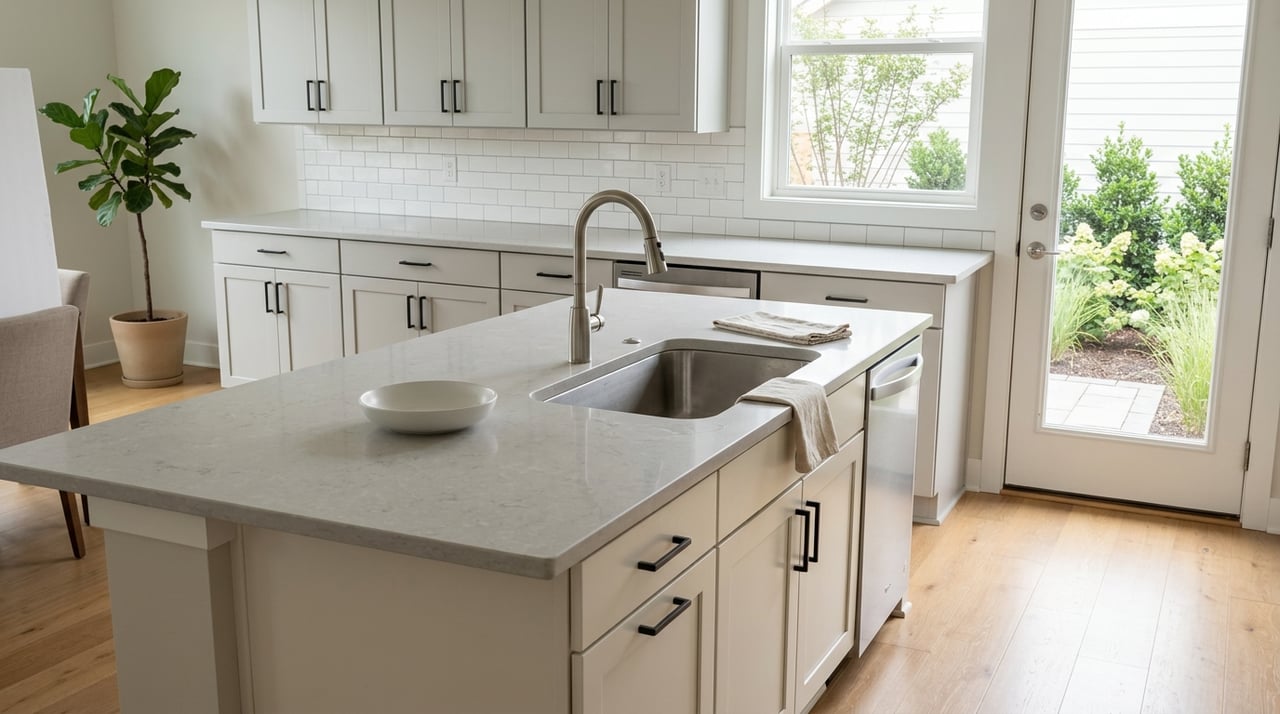
According to the National Association of Realtors’ 2025 Profile of Home Staging, 83% of buyers’ agents said staging made it easier for buyers to visualize a property as a future home. The same report found that the living room, primary bedroom, and kitchen were the most important rooms to stage.
That gives you a clear starting point. If you do not want to stage the whole house, put your time and energy into those three spaces first.
Keep Staging Simple and Budget-Friendly
You do not need a full redesign to improve how your home feels in photos and in person. In many cases, lighter furniture editing and cleaner surfaces can do a lot of the work.
Focus on simple steps like these:
- Remove extra furniture that makes rooms feel crowded
- Clear kitchen and bathroom counters
- Store away personal items and excess decor
- Use neutral bedding and tidy linens
- Create open walking paths through each room
- Add fresh light by opening blinds and curtains
NAR also reported that when a staging service was used, the median spend was $1,500. When the seller’s agent personally staged the home, the median spend was $500. That supports a practical message for Galloway sellers: thoughtful staging can help without turning into a major project.
The same report found that 29% of sellers’ agents saw staging lead to a 1% to 10% increase in the dollar value offered, while 49% observed reduced time on market. That does not guarantee a result, but it does show why staging is worth considering.
Prepare for Photos and Showings
Your first showing often happens online. Buyers’ agents in the NAR report rated photos, traditional staging, videos, and virtual tours as important listing tools. That means your home needs to look ready before the camera arrives, not just before an in-person visit.
The easiest way to do that is to create a repeatable showing routine. The goal is not perfection every minute of the day. The goal is making it easier to get your home ready quickly when a showing request comes in.
A strong routine may include:
- Make the beds each morning
- Clear kitchen and bathroom counters
- Put away laundry and daily clutter
- Empty trash cans as needed
- Open blinds for natural light
- Turn on lights before a showing
- Hide pet bowls, crates, and toys
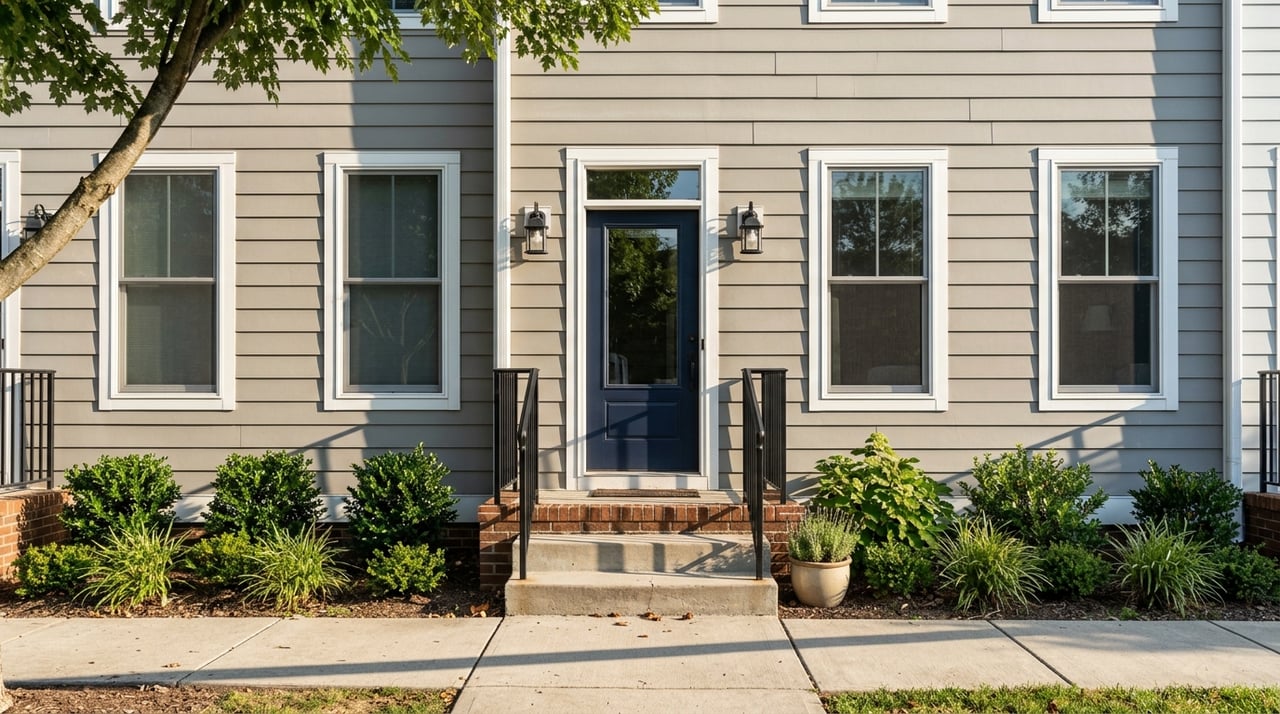
- Keep the front entry swept and inviting
In a market where buyers can compare multiple homes, these small habits can help your property feel more polished and welcoming every time someone walks in.
Gather Your Paperwork Early
One of the smartest things you can do before listing is build a simple document folder. This can help you answer questions faster and keep the transaction moving when a buyer wants details.
Useful items to collect include:
- Permit approvals
- Repair receipts
- Warranties
- Service records
- Appliance information
- Lead disclosure paperwork for older homes
Because Galloway Township places permit responsibility on the homeowner, having permit records ready is especially helpful if you completed larger work. If your home falls under the lead disclosure rules, having those documents together early can also prevent delays later.
Focus on Confidence, Not Perfection
Many sellers assume they need to do everything before they list. In reality, most homes benefit more from a focused plan than from an expensive pre-sale overhaul. Buyers often respond best to homes that feel clean, maintained, and easy to understand.
If you start with market context, tackle the visible fixes, stage the main rooms, and organize your paperwork, you will already be ahead of many sellers. That kind of preparation can make your home easier to market and easier for buyers to say yes to.
When you are ready to make a plan for your next move, Pamela Stearns can help you prepare, price, and market your Galloway home with practical local guidance.
FAQs
What should Galloway homeowners fix before selling?
- Start with visible, low-cost issues like scuffed paint, nail holes, loose handles, dripping faucets, worn caulk, and burnt-out bulbs because buyers often notice those right away.
Do Galloway homeowners need permits for pre-sale repairs?
- For larger projects beyond cosmetic touch-ups, Galloway Township says the homeowner is responsible for obtaining permits, so it is smart to check requirements before starting work.
How should sellers stage a home in Galloway?
- Focus first on the living room, primary bedroom, and kitchen, since NAR reported those are the most important rooms to stage.
Is professional staging required to sell a Galloway home?
- No. Budget-friendly steps like decluttering, simplifying furniture, clearing counters, and improving light can make a meaningful difference without full professional staging.
What documents should Galloway sellers gather before listing?
- A helpful folder includes permit approvals, repair receipts, warranties, service records, appliance information, and lead disclosure paperwork if the home was built before 1978.
What do sellers of older Galloway homes need to know about lead paint?
- For most pre-1978 homes, sellers must disclose known lead-based paint information, provide available records, include a lead warning statement, and allow buyers a 10-day opportunity to inspect or assess for lead hazards.