Selling a Brigantine waterfront home is not just about making it look beautiful. Buyers also want confidence in the property’s condition, shoreline features, and flood-related paperwork. If you want a smoother sale and fewer last-minute questions, it helps to prepare both the home and the records before you list. Let’s dive in.
Start With Brigantine Waterfront Realities
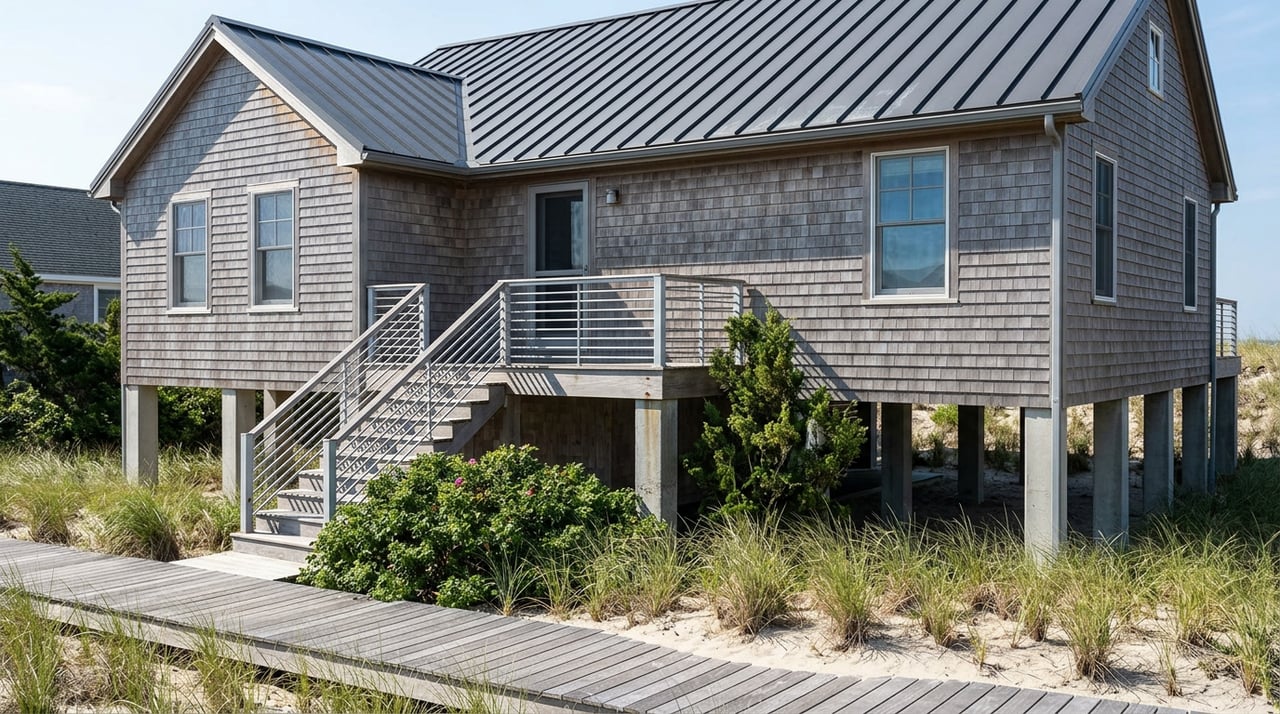
In Brigantine, waterfront value is tied to more than views. Buyers often look closely at flood exposure, drainage, outdoor condition, and the status of features like docks and bulkheads.
That means your prep plan should cover two things at once. You want strong visual appeal, but you also want a clear paper trail that answers common buyer questions early.
The City of Brigantine highlights the importance of its beach, dune system, and back-bay salt marsh as natural flood buffers. The city also advises owners to have an elevation certificate and flood-insurance policy available when discussing premiums, which can help buyers understand the property more clearly.
Clean Up Exterior First Impressions
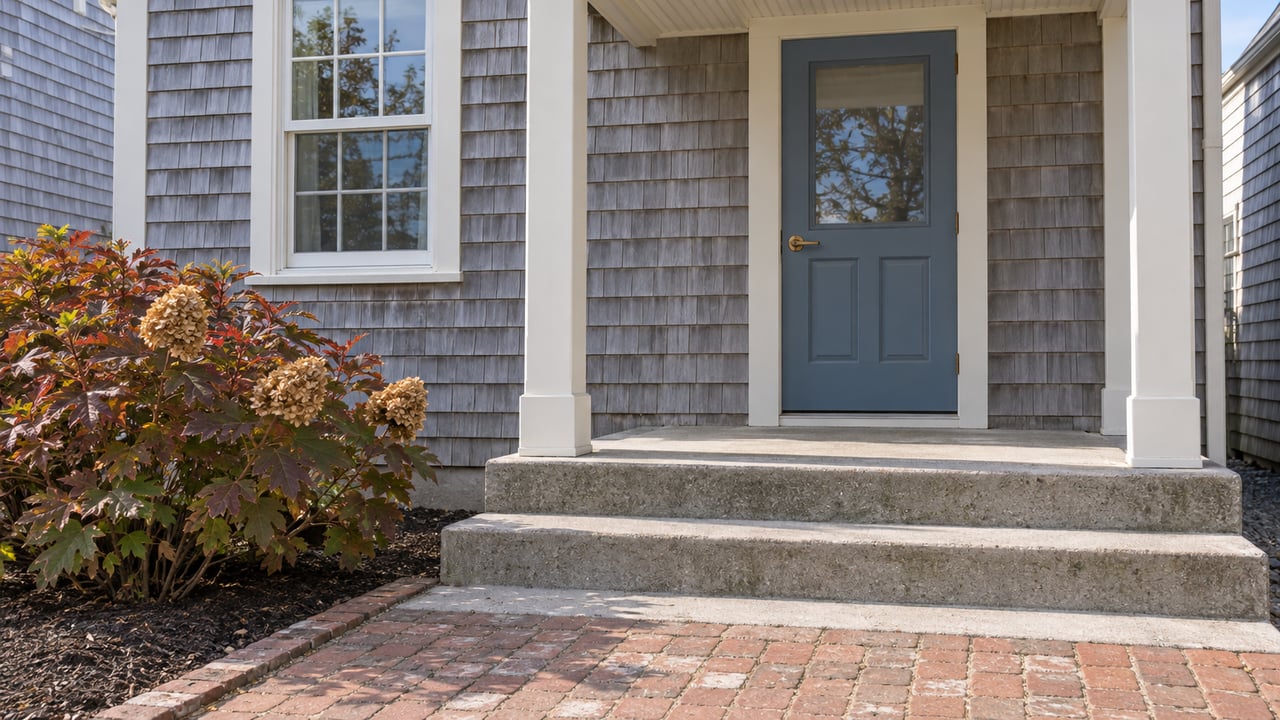
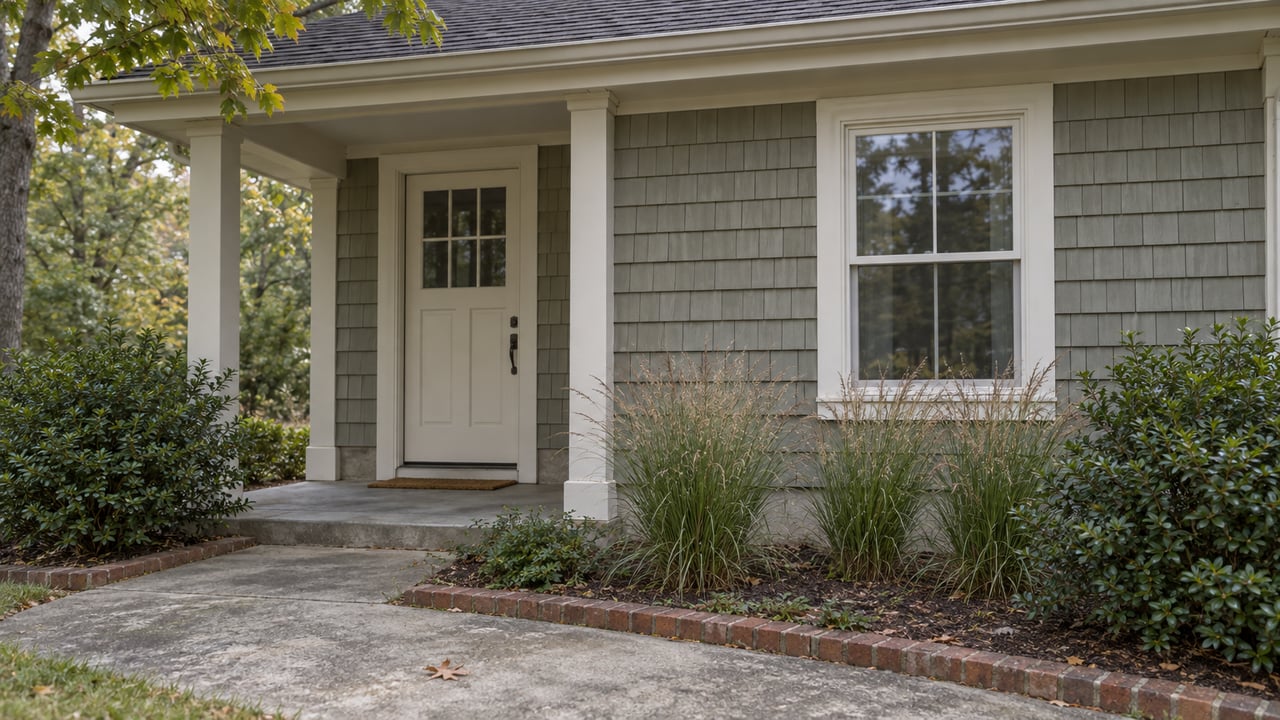
Waterfront homes tend to make an impression fast. Before buyers focus on the view, they notice the siding, windows, deck surfaces, yard, and whether the outside feels cared for.
A simple, clean exterior can go a long way. Research on staging shows that cleaning, decluttering, and curb appeal are among the most common recommendations for sellers, and many agents report staging can reduce time on market.
Focus on the Basics
Start with the maintenance items buyers can see right away. Clean siding, windows, gutters, walkways, and deck surfaces so the property feels fresh instead of weathered.
Remove mildew, leaves, and visible clutter from the yard and around the house. Stow hoses, tools, bins, and extra equipment so outdoor areas feel open and intentional.
Keep Landscaping Simple
With a waterfront home, the view should stay front and center. Neat, simple landscaping usually works better than anything that feels overdesigned or high-maintenance.
Mow the lawn, edge walkways, trim limbs near the house, and weed planting beds. If your lot includes back-bay or lagoon frontage, a tidy shoreline edge and clean drainage path can also shape how buyers read the property.
Stage Outdoor Living Areas
Outdoor space is a major part of the Brigantine waterfront lifestyle. Buyers want to picture where they would sit, dine, relax, or entertain, so these spaces should feel purposeful.
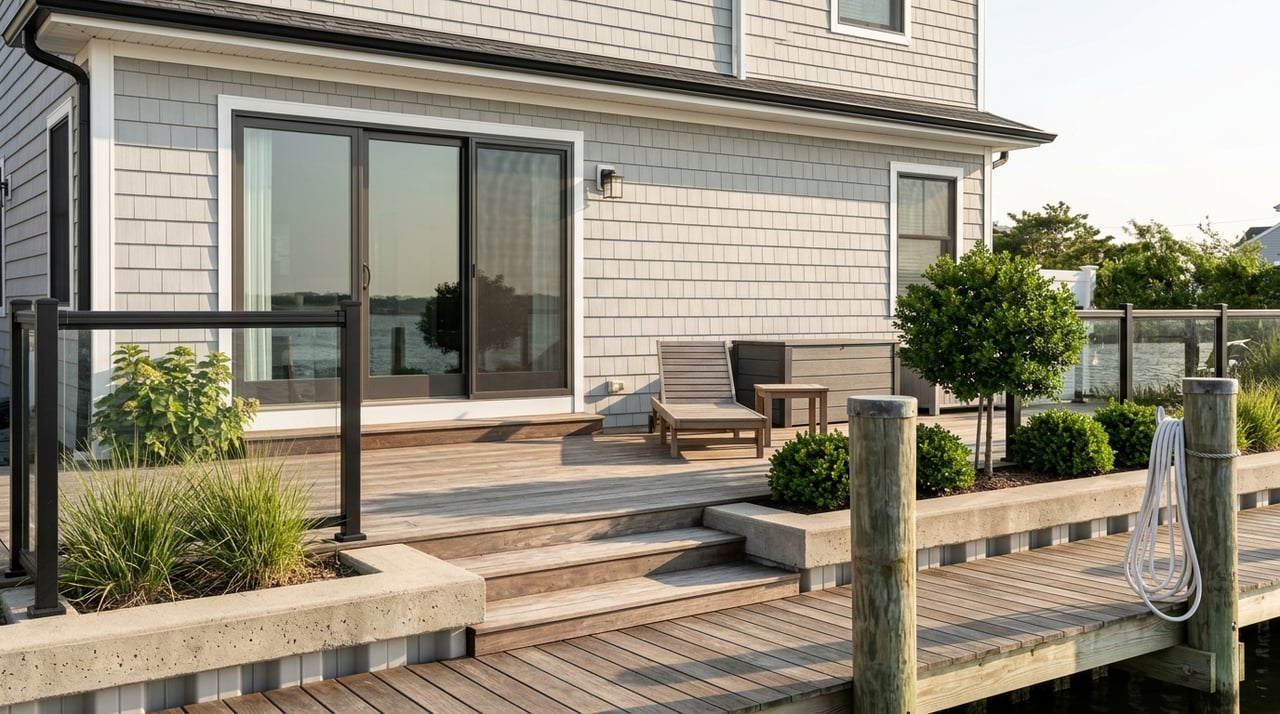
Instead of leaving the deck, patio, or yard as empty square footage, create clear zones. A small seating area, a simple dining setup, and clean lighting can help buyers understand how the space lives.
Create Clear Use Areas
Think of your outdoor setup as quiet storytelling. Show buyers where morning coffee might happen, where dinner could be served, or where friends could gather after a day on the water.
This does not have to be elaborate. A few well-placed chairs, a tidy table, and working outdoor lights often do more than oversized décor or too many accessories.
Don’t Ignore Drainage
Drainage matters at any home, but it is especially important at waterfront properties. Outdoor planning guidance from NAR notes that drainage should be prioritized to help avoid water damage, erosion, and flooding concerns.
Make sure low spots, runoff paths, and visible water issues are addressed as much as possible before listing. At minimum, the yard should look orderly and free of obvious drainage neglect.
Check the Dock, Bulkhead, and Shoreline Features
For many buyers, the shoreline features are a major part of the property’s appeal. They are also one of the first places where a sale can slow down if records are missing or the condition raises concerns.
Your goal is not to make legal judgments on your own. Your goal is to present these features as clean, maintained, and well documented.
Make Marine Features Look Maintained
Clean and inspect visible shoreline components such as docks, bulkheads, lifts, rails, and steps. Buyers notice rust, loose boards, worn edges, and deferred maintenance quickly.
Even when everything is functional, appearance matters. A dock or bulkhead that looks cared for can support buyer confidence during showings.
Gather Shoreline Records Early
Brigantine’s land-use code says docks and piers must be legally recognized through the proper waterfront development permitting path, and the code also addresses bulkhead standards and bayfront deck placement. NJDEP also notes that bulkhead construction, repair, or replacement may require multiple permits.
Because these issues can be fact-specific, avoid assuming an older dock or bulkhead is automatically compliant. Instead, gather what you have now, including permit packets, approvals, as-built plans, contractor invoices, warranties, maintenance logs, and any marine engineering or survey documents.
Be Ready to Explain Repairs
If any dock, bulkhead, or shoreline feature was repaired, replaced, extended, or reconstructed, be prepared to say when the work happened and whether it was permitted. That information can help prevent delays once a buyer starts due diligence.
If you are unsure about the status of a shoreline improvement, it is wise to sort that out before marketing the home aggressively. Clear answers early are usually easier than scrambling later.
Organize Flood and Disclosure Documents
In New Jersey, flood questions are no longer something to leave vague. Beginning March 20, 2024, sellers must disclose whether the property is in FEMA’s Special Flood Hazard Area or Moderate Flood Hazard Area, along with actual knowledge of flood risk, before the buyer becomes obligated under the contract.
For Brigantine sellers, this makes preparation especially important. Waterfront buyers often ask about flood zones, insurance, elevation, and prior water issues early in the process.
Pull Together Your Flood File
A strong seller file should include your flood-insurance policy and elevation certificate if you have them. Brigantine specifically advises property owners to have these available when discussing premiums.
FEMA’s official flood maps are the standard source for flood hazard information, and high-risk flood areas begin with A or V on FEMA maps. Government-backed mortgages in those high-risk zones generally require flood insurance.
Review the Seller Disclosure Carefully
New Jersey’s seller disclosure statement asks about known material defects and is not a substitute for a professional inspection. It specifically addresses issues like water leakage or dampness, mold, flood damage, repairs to water problems, additions or alterations, and whether permits and approvals were obtained.
It also asks about exterior items such as driveways, walkways, patios, sinkholes, and retaining walls. If your waterfront home has had moisture issues or repairs, accuracy and completeness matter.
Remember Pre-1978 Lead Rules
If your home was built before 1978, lead-based paint disclosure rules may apply. Sellers of most pre-1978 housing must disclose known lead-based paint information and provide the required pamphlet.
This is another reason to organize records before listing. The more complete your file is, the easier it is to answer questions without slowing the sale.
Build a Seller File Before Listing
One of the smartest things you can do is create a single folder for property records. This helps your listing process feel more organized and can reduce avoidable back-and-forth once buyers start asking detailed questions.
For a Brigantine waterfront home, that file should cover ownership, boundaries, permits, flood-related records, and major repair history.
What To Include
- Deed or title paperwork
- Survey and any boundary or tidelands documents
- Flood-insurance policy and elevation certificate
- Permit history for dock, bulkhead, deck, addition, or remodel work
- Service records for roof, HVAC, plumbing, and moisture or water-intrusion repairs
- Contractor invoices, warranties, and maintenance logs for shoreline features when available
A neat seller file does more than save time. It also signals that you have taken ownership seriously, which can build trust with buyers.
Plan for a Smoother Sale
When you prepare a Brigantine waterfront home for sale, think beyond ordinary staging. You are selling the full property story, including the house, the outdoor lifestyle, the shoreline features, and the documentation that supports them.
The strongest approach is usually the simplest one. Clean the exterior, stage outdoor living spaces, make the dock or bulkhead look maintained, and organize your records before the home goes live.
That kind of preparation can help your listing show better, answer buyer concerns faster, and reduce the risk of preventable surprises during contract negotiations. If you are getting ready to sell a Brigantine waterfront property, Pamela Stearns can help you build a practical plan and bring your home to market with confidence.
FAQs
What should you fix before selling a Brigantine waterfront home?
- Focus first on visible exterior issues, outdoor living areas, drainage concerns, and the condition of docks, bulkheads, rails, steps, and similar shoreline features.
What documents do you need to sell a waterfront home in Brigantine?
- Common helpful records include deed or title paperwork, surveys, flood-insurance documents, an elevation certificate, permit history, and service or repair records for major systems and shoreline improvements.
Do New Jersey sellers have to disclose flood risk?
- Yes. Beginning March 20, 2024, New Jersey sellers must disclose whether a property is in FEMA’s Special Flood Hazard Area or Moderate Flood Hazard Area, along with actual knowledge of flood risk, before the buyer becomes obligated under contract.
Should you stage outdoor spaces at a Brigantine waterfront property?
- Yes. Simple, intentional outdoor staging can help buyers picture how they would use seating, dining, and relaxation areas, which is especially important at waterfront homes.
Do docks and bulkheads need permits in Brigantine?
- They may. Brigantine land-use rules and NJDEP guidance indicate that docks, piers, bulkheads, and related shoreline work can involve permitting, so sellers should gather records and clarify any past work before listing.